
Kotor Montenegro – UNESCO World Heritage Site, Old Town & the Best Travel Tips
Location: Southern end of the Bay of Kotor – approx. 90 min from Budva
UNESCO since: 1979
Highlights: Medieval old town, San Giovanni Fortress, city walls, clock tower
Best time to visit: May, June, September – quieter than peak season, pleasant temperatures
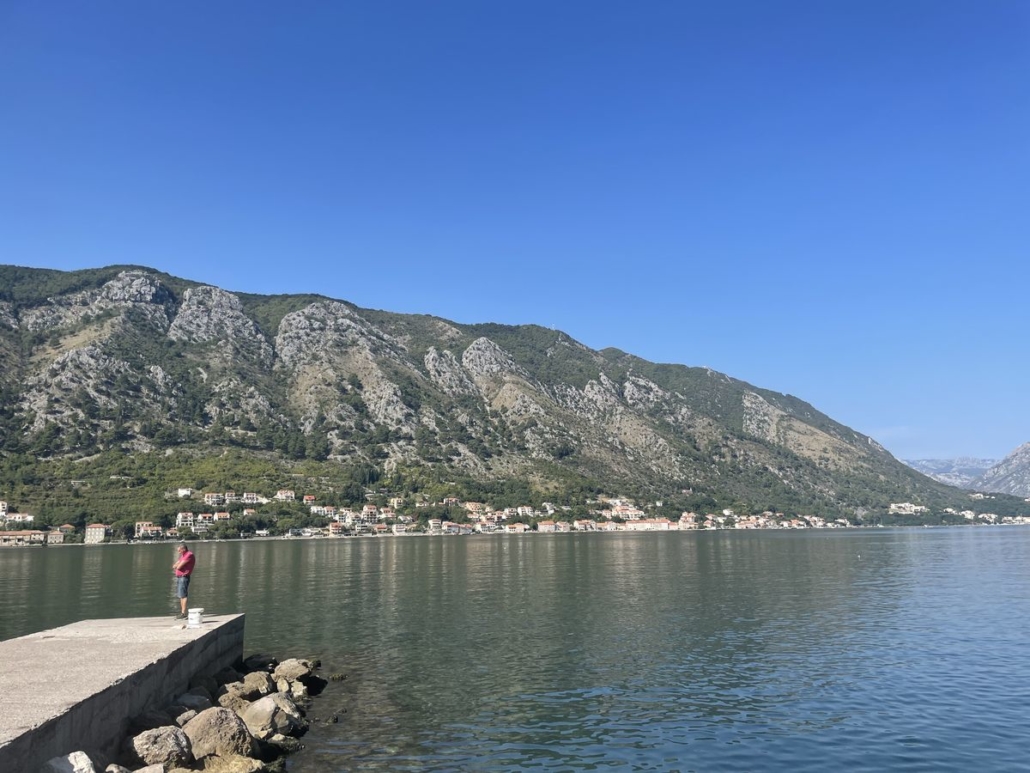
Kotor is the kind of place where even experienced travellers stop and think: this can’t be real. A medieval old town unchanged for 2,000 years. Mighty fortress walls climbing the sheer cliffs above. And all around, the deep, still Bay of Kotor – one of the most dramatic natural harbours in Europe.
I’ve visited Kotor many times – in different seasons, at different times of day. And every time, this place has something new to reveal. Here’s what to expect, when to go, and what you absolutely must not miss.
Kotor Old Town – a Medieval UNESCO World Heritage Site
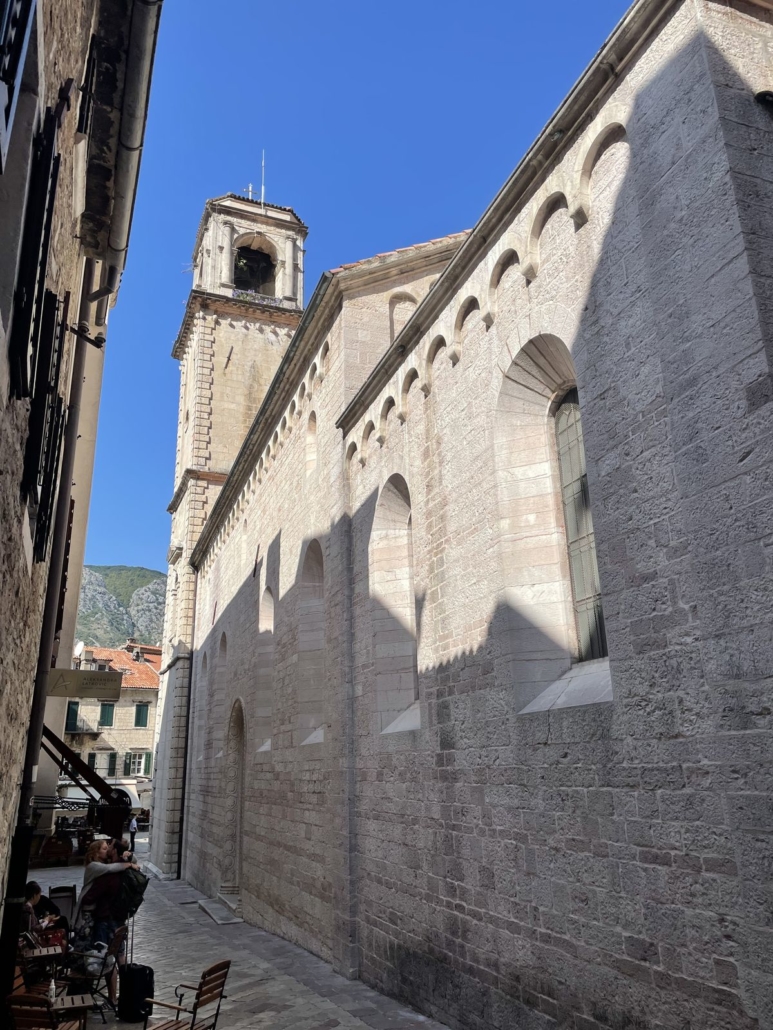
Kotor’s old town is entirely car-free – and you feel it the moment you step through the gate. No traffic, no rush, barely a modern building in sight. Venetian palaces, Romanesque churches, narrow cobbled lanes where you’re never quite sure what’s around the next corner. And everywhere: Kotor’s famous cats, stretching lazily in the sun.
In the Middle Ages, Kotor was an important centre of art and trade on the Adriatic. The city has a turbulent history – Romans, Byzantines, Venetians, French and Austrians have all left their mark. This extraordinary layering of different architectural styles and eras is what makes the old town so incomparable.
The City Walls – Kotor’s most impressive sight
The medieval city walls stretch for 4.5 km and reach up to 20 metres in height and 15 metres in thickness. They are so well preserved that you can walk long sections of them – with spectacular views over the rooftops of the old town and the bay below.
The Clock Tower – Kotor’s iconic landmark
The clock tower, built in 1602, stands centrally opposite the main gate and is one of the most iconic landmarks of the city. It leans slightly to the west – a legacy of the devastating earthquake of 1979, after which Kotor was largely rebuilt and inscribed as a UNESCO World Heritage Site.
San Giovanni Fortress – the Climb is Worth Every Step
Height: 260 metres above the old town
Steps: approx. 1,350
Entry fee: approx. €3–5 (subject to change)
Duration: 45–60 min up, 30–40 min down
The climb to San Giovanni Fortress is demanding – let’s be honest about that. Around 1,350 steps over uneven, often steep stone. But the view from the top is one of the finest in all of Montenegro: the entire Bay of Kotor lies beneath you, the old town looks like a medieval model from above, and on a clear day you can see far across the Adriatic.
Tips for the climb
Sturdy footwear is essential – the steps are uneven and can be slippery. Bring plenty of water, especially in summer. In July and August, start early (before 9am) – climbing in midday heat is punishing.
Who should climb the fortress?
Active travellers
Couples
Adventurers
Not recommended for: toddlers, those with knee problems or vertigo
Visiting Kotor – Practical Info & Tips
When is the best time to visit Kotor?
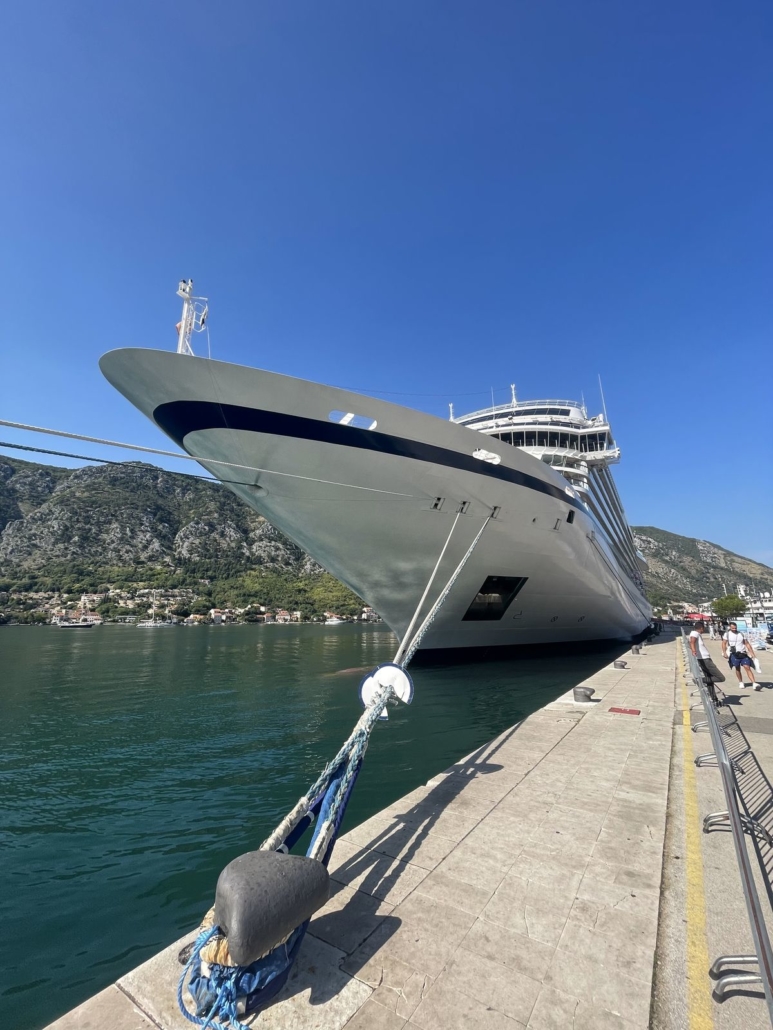
In July and August Kotor can be extremely crowded – especially when multiple cruise ships are in port at the same time. May, June and September are the best months: pleasant temperatures, far fewer tourists, and the bay shimmers a deep, brilliant blue.
Getting to Kotor
From Budva it’s about 90 minutes by car along the coastal road – the drive around the bay is an experience in itself. Without a car, regular buses run from Budva to Kotor. Boat trips across the bay are also a great option and often include Perast.
What does a day in Kotor cost?
Old town entry: Free (city walls walkable on foot)
San Giovanni Fortress: approx. €3–5
Parking: outside the old town, approx. €1–3 per hour
Dining: restaurant in the old town approx. €10–20 per person
Combine Kotor & Perast – the Perfect Day Trip
Kotor sits on the bay – and the bay has more to offer. Just 12 km to the northwest lies Perast, one of the most enchanting villages in Montenegro: baroque stone houses, a tiny waterfront promenade and two small islands floating just off the shore. The Kotor + Perast day trip is one of the finest Montenegro has to offer. Early morning in Kotor, a relaxed afternoon in Perast – and back to the coast before dark. Perfect.
Conclusion: Kotor is a Must – but Plan it Right
Kotor is one of those rare places that works for everyone – culture lovers, photographers, couples, families, hikers. It’s no longer a hidden gem, but the old town is so vast and layered that you’ll always find new corners to discover.
Our advice: Arrive early, stay longer than planned, and don’t miss the evening along the waterfront promenade.
Your base for the region
From our apartment “Glücks-Griff” in Becici near Budva, Kotor is an easy day trip – about 90 minutes along one of the most beautiful coastal roads on the Adriatic. Pool and sea views are waiting for you when you return.






This post is also available in:

